
.png)


SUN
AGE
4.5 bilion years
STAR TYPE
Yellow Dwarf
TEMPERATURE
5,500 degrees Celsius
1/3
The Sun is a 4.5 billion-year-old yellow dwarf star - a hot glowing ball of hydrogen and helium - at the center of our solar system. It's about 150 million kilometers from Earth and it's our solar system's only star.

MERCURY
LENGTH OF YEAR
88 Earth Days
PLANET TYPE
Terrestrial
DISTANCE FROM SUN
50,784,911 km
2/3
The smallest planet in our solar system and nearest to the Sun, Mercury is only slightly larger than Earth's Moon. Mercury is the fastest planet, zipping around the Sun every 88 Earth days.

EARTH
LENGTH OF YEAR
365 Earth Days
PLANET TYPE
Terrestria
DISTANCE FROM SUN
147,295,031 km
3/3
Earth is the third planet from the Sun and the only astronomical object known to harbor life. While large amounts of water can be found throughout the Solar System, only Earth sustains liquid surface water.
Wonders of the Universe

For millennia, we have gazed up at the stars, wondering what lies beyond. Today, we stand on the brink of uncovering the mysteries of the universe. Join us as we explore the final frontier.

1957
Sputnik 1: The Dawn of Space Exploration
The Soviet Union launches Sputnik 1, the first artificial satellite to orbit Earth. This momentous event marks the beginning of the space age and ignites the space race between the U.S. and the USSR.

1961
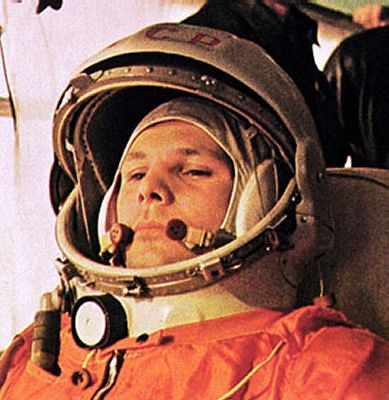
Yuri Gagarin: First Human in Space
Yuri Gagarin becomes the first human to journey into space aboard Vostok 1. His historic 108-minute flight orbits Earth, proving that humans can survive and function in space.
1969
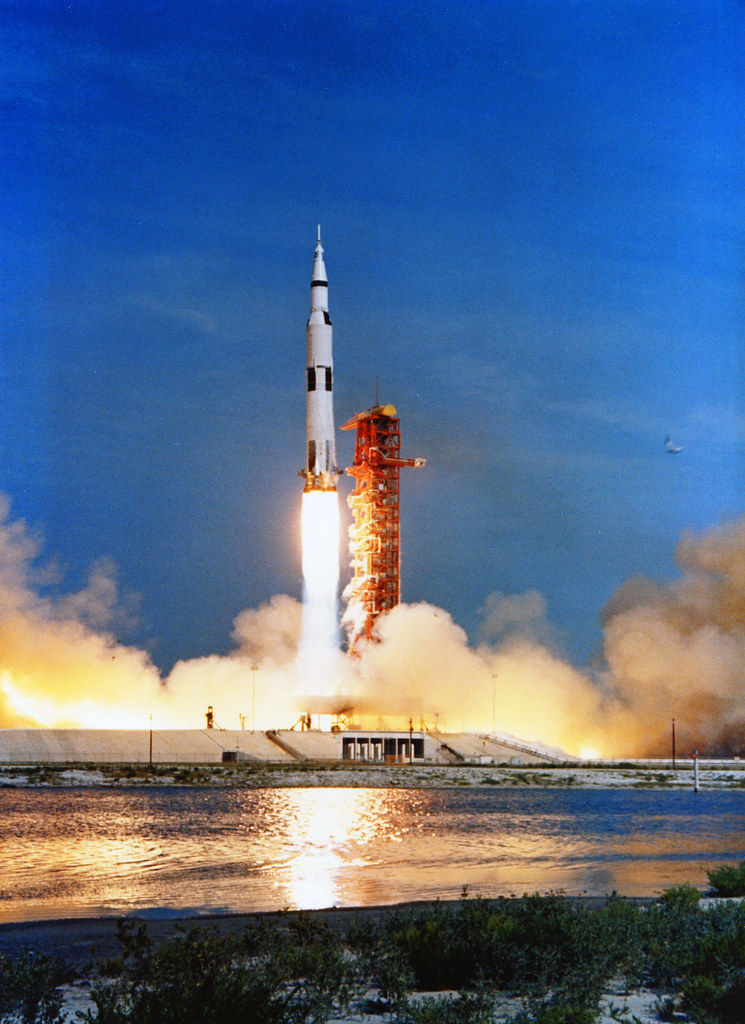
Apollo 11: One Giant Leap
Neil Armstrong and Buzz Aldrin set foot on the Moon, making humanity’s dream of lunar exploration a reality. The words ‘That’s one small step for man, one giant leap for mankind’ echo across the globe.
2021
Perseverance Rover: The Quest for Life
Perseverance, NASA’s latest rover, lands on Mars with the mission to search for signs of ancient life. It also carries the Ingenuity helicopter, the first aircraft to fly on another planet.

Milestones in Space

Do You Believe in Aliens?
The universe is vast, mysterious, and full of unanswered questions. One of the most intriguing is the existence of extraterrestrial life. Do you believe that we are alone in the cosmos, or do you think there are other intelligent beings out there? Explore the scientific arguments on both sides of this fascinating debate, and decide for yourself whether aliens might be more than just science fiction.

The Vastness of the Universe
The observable universe contains an estimated 100 billion galaxies, each with billions of stars and potentially even more planets. The sheer number of planets in the habitable zone, where conditions could support life, suggests that it is statistically likely that life exists somewhere beyond Earth.

The Fermi Paradox
Despite the high probability of extraterrestrial life, we have yet to find any evidence of its existence. The Fermi Paradox questions why, given the vastness of the universe and the likelihood of life, we haven’t encountered any signs of intelligent extraterrestrial civilizations.

Discovery of Exoplanets in the Habitable Zone
In recent years, astronomers have discovered thousands of exoplanets, some of which are located in the “habitable zone” of their stars, where conditions might be right for liquid water—and potentially life. These findings increase the likelihood that life could exist elsewhere in the universe.
.png)
Lack of Concrete Evidence
While the search for extraterrestrial intelligence (SETI) has been ongoing for decades, no conclusive signals or proof of alien life have been detected. The absence of any verified evidence suggests that either intelligent life is extremely rare or that it does not exist at all.
Voices of Space
In the vast expanse of the universe, countless voices have echoed through time, inspiring generations to look up at the stars and wonder. These voices—of astronauts who’ve walked the Moon, scientists who’ve unlocked cosmic mysteries, and authors who’ve imagined the impossible—continue to fuel our curiosity and passion for space exploration.

“ I believe that every human has a finite number of heartbeats. I don’t intend to waste any of mine. ”
— Neil Armstrong, Apollo 11 Astronaut

“The sky is not the limit, it’s only the beginning.”
— Buzz Aldrin, Apollo 11 Astronaut

“ To confine our attention to terrestrial matters would be to limit the human spirit. ”
— Stephen Hawking, Theoretical Physicist
Beyond Earth Blog
Dive deeper into the wonders of the universe with our Cosmic Insights blog. Here, we explore the latest in space exploration, astronomy, and astrophysics, offering a mix of expert analysis, thought-provoking articles, and inspiring stories from the frontiers of space. Whether you’re a seasoned space enthusiast or just beginning your cosmic journey, our blog provides a wealth of knowledge to fuel your curiosity and expand your understanding of the universe. Join us as we unravel the mysteries of the cosmos, one article at a time.


Frequently Asked Questions

Join the Space Enthusiasts’ Network
Are you passionate about space exploration? Do you want to stay informed about the latest discoveries, missions, and celestial events? Join our community of space enthusiasts and never miss out on the wonders of the cosmos!